Dark Window Tint vs Light Window Tint: What Drivers Should Know
Choosing a window tint shade is an important decision for Cayman Islands drivers who want to manage privacy, glare, cabin comfort, visibility, and vehicle appearance. Some prefer the greater concealment and bold look of a darker shade, while others choose a lighter film that keeps the cabin feeling more open.
The dark window tint vs light window tint decision involves more than appearance. Film darkness can affect visible-light reduction, daytime privacy, outward visibility, and glare control, while heat and UV performance depend largely on the film technology. Cayman Window Tinting helps Grand Cayman drivers these factors and choose a shade suited to their driving habits and preferences.
How Tint Shade Affects Privacy
Privacy is often one of the first factors drivers consider when comparing tint shades. Darker film generally reduces daytime visibility into the cabincompare , although the actual level of privacy also depends on exterior lighting, interior lighting, viewing angle, and the vehicle’s other windows.
Darker Shades for Greater Concealment
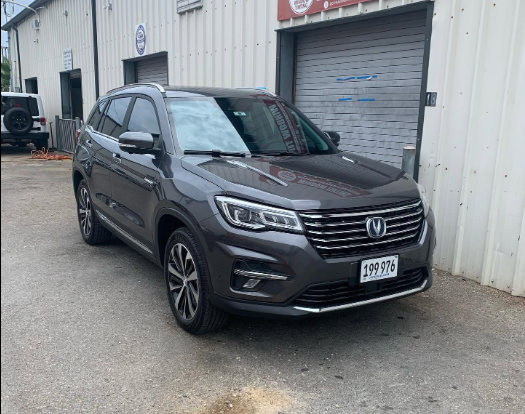
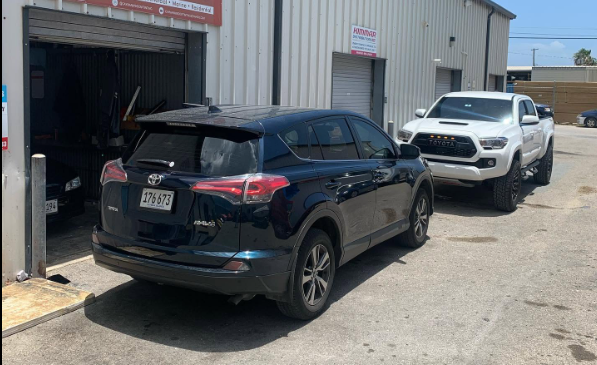
A darker tint can provide greater visual privacy by making passengers, belongings, and interior surfaces less visible from outside the vehicle. This may be useful for drivers who prefer a more concealed cabin when driving or parking in busy areas.
Lighter tint can still provide some privacy, but the interior will usually remain more visible, particularly during bright daylight. Drivers who prefer a bold appearance and reduced visibility into the cabin may lean toward a lower-VLT film, while those who want a brighter and more open interior may prefer a higher-VLT option.
Window tint can improve visual privacy, but it does not prevent theft or break-ins. Valuables should still be removed from view when the vehicle is unattended.
Glare Reduction: Comparing Dark and Light Tint Performance
Glare from strong sunlight can make daytime driving uncomfortable across the Cayman Islands. Window tint can reduce the amount of visible light entering through the glass, helping drivers manage bright conditions.
The amount of glare reduction depends partly on the film’s visible light transmission percentage, commonly known as VLT.
Why Shade Depth Changes the Driving Experience
A lower-VLT film generally allows less visible light through the glass, which may provide stronger daytime glare reduction than a lighter shade. This can make bright driving conditions feel more comfortable and reduce the intensity of sunlight entering through side and rear windows.
A higher-VLT film allows more natural light into the cabin. It can still reduce some glare while maintaining a brighter interior and clearer outward visibility.
Drivers who spend extended periods travelling during bright daytime conditions may notice the difference between darker and lighter shades more clearly. The right balance depends on how much visible-light reduction the driver wants without compromising low-light visibility.
Heat Control: Why VLT Percentage Is Not the Whole Story
One of the most common misconceptions about window tint is that a darker shade always provides better heat control. Film darkness affects visible light, but it does not tell the complete story about heat rejection.
A high-quality lighter film may outperform a darker film made with older or lower-performing technology.
Film Quality Over Shade Alone
A lighter tint made with advanced ceramic technology can reject more infrared heat than a darker film with limited heat-control performance. This is because heat rejection depends on film construction, infrared rejection, total solar energy performance, glass type, and installation coverage.
Two films that appear similar in darkness may perform differently once installed. This is why drivers should compare technical performance along with shade percentage.
Cayman Window Tinting offers XPEL Carbon Ceramic, XR Intermediate Ceramic, and XR+ Premium Ceramic options. These films provide different levels of heat rejection, clarity, appearance, and performance, allowing drivers to select a product based on their comfort goals rather than shade alone.
Visibility and Nighttime Driving Considerations
While darker tint can improve daytime privacy and reduce visible light, it may also affect how clearly a driver sees through the glass after sunset.
This is an important consideration for anyone who frequently drives at night, during heavy rain, or in other low-light conditions.
Balancing Style With Practical Sightlines
Lower-VLT tint may make it more difficult to see through side and rear windows at night. Checking mirrors, reversing, or viewing nearby objects can require more attention when less light passes through the glass.
Higher-VLT tint generally preserves clearer outward visibility in low-light conditions while still providing some glare reduction, UV protection, and heat-control benefits.
Drivers should consider when and where they normally drive before selecting a shade. A film that feels comfortable during bright daytime conditions should also support safe and practical visibility after dark.
Local Regulations and Choosing the Right Shade for Cayman Islands Roads
Personal preference is not the only factor involved in choosing a tint shade. Cayman Islands drivers must also consider local visible light transmission requirements.
These limits apply to the final combination of the original automotive glass and the installed film, rather than only the percentage shown on the tint product.
Understanding Local VLT Requirements
The two front side windows must maintain at least 35% visible light transmission. Rear side windows and the rear windscreen must maintain at least 15% VLT.
The front windscreen is generally limited to a tint strip across the upper six inches. Drivers should confirm the latest local requirements before installation, as regulations and enforcement guidance may change.
A shade that is suitable for a rear window may not be legal on a front side window. Existing factory tint must also be considered because it affects the final measured VLT after installation.
Working With an Experienced Local Installer
Cayman Window Tinting guides the VLT requirements described for Cayman Islands vehicles and helps customers compare suitable film and shade options.
Professional
Window Tinting installation
can help drivers avoid selecting a film that is too dark for a particular window while supporting clean coverage and consistent performance. It can also make it easier to balance privacy, visibility, glare reduction, heat rejection, and legal compliance.
Matching Tint Shade to Driving Habits and Comfort Preferences
There is no single tint shade that is ideal for every vehicle owner. Daily driving habits, parking conditions, appearance preferences, and visibility needs all influence the right choice.
Considering How and When a Vehicle Is Driven
Drivers who spend long periods in bright sunlight may prefer a lower-VLT film for stronger visible-light and glare reduction. However, they should still compare the actual heat-rejection specifications of the film rather than assuming that a darker appearance means better thermal performance.
Drivers who frequently travel at night may prefer a lighter option that preserves clearer outward visibility. Others may prioritize visual privacy, a darker appearance, or a more concealed cabin.
Parking habits should also be considered. A vehicle that spends most of the day outdoors may benefit from a high-performance ceramic film, even when the driver chooses a lighter shade.
Thinking through these everyday conditions helps drivers make a more informed dark window tint vs light window tint decision.
Why Professional Shade Guidance Matters
Choosing the right shade is easier when drivers can compare both appearance and technical performance.
Cayman Window Tinting offers several XPEL film technologies and shade percentages, allowing vehicle owners to evaluate visible-light transmission, infrared heat rejection, UV protection, clarity, and privacy before installation.
Comparing Available Tint Options
Available shade options may include 5%, 15%, 35%, 45%, 55%, and 70% VLT, depending on the selected film. However, not every percentage is appropriate or legal for every window.
A professional consultation can help determine how the existing glass affects the final VLT and which film is best suited to the driver’s priorities.
Cayman Window Tinting also provides XPEL paint protection film and ceramic coating services, giving vehicle owners access to several options for exterior and interior vehicle care.
Choosing Between Dark and Light Window Tint
Deciding between dark window tint vs light window tint comes down to balancing privacy, glare reduction, outward visibility, appearance, legal requirements, and everyday driving comfort.
Darker film generally offers greater daytime concealment and visible-light reduction. Lighter film maintains a brighter cabin and may provide clearer nighttime visibility. Heat and UV performance depend more on the film technology than on darkness alone.
Contact Cayman Window Tinting today to compare legal shade options and choose a film that fits your privacy, visibility, appearance, and heat-control goals.
Cayman Window Tinting