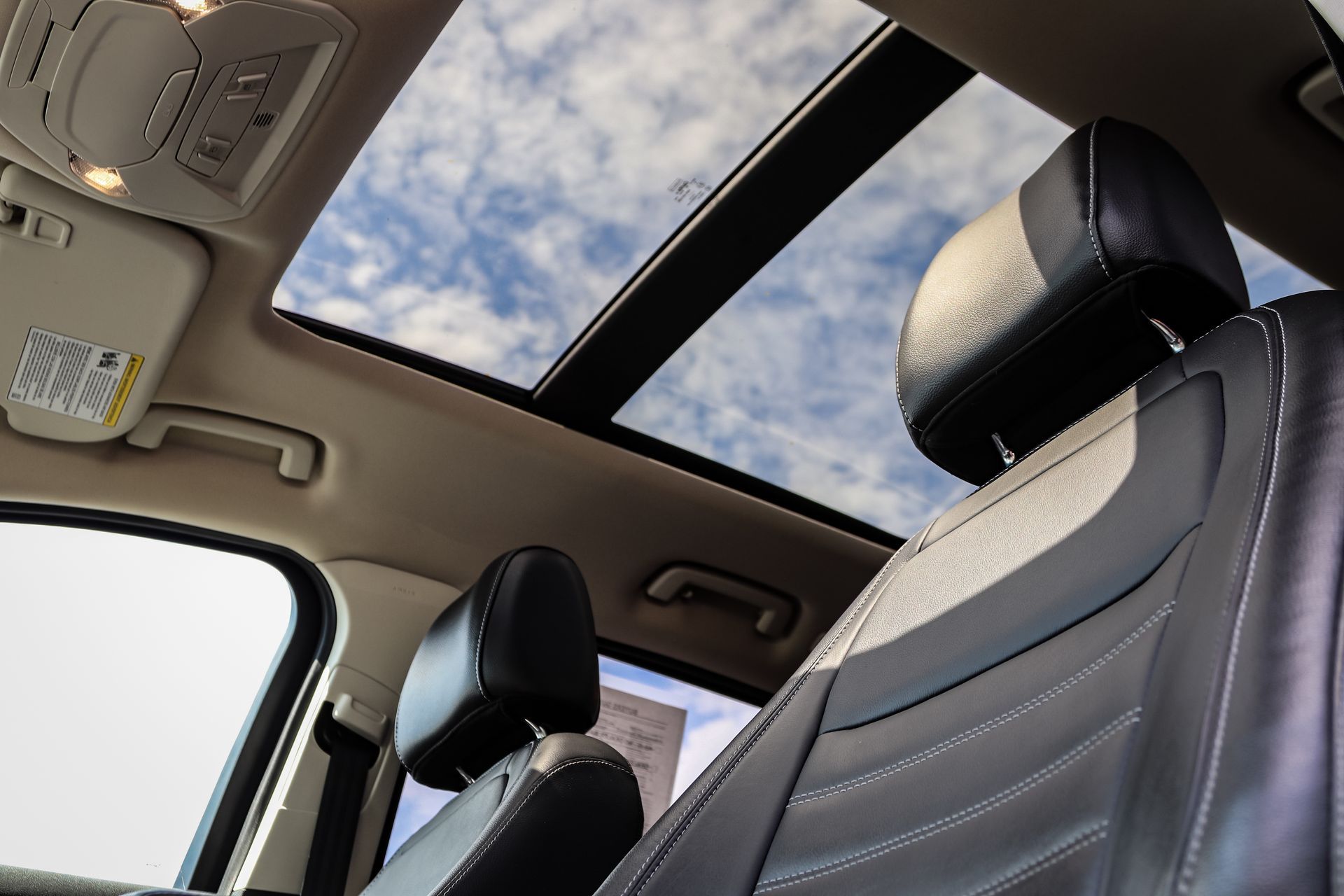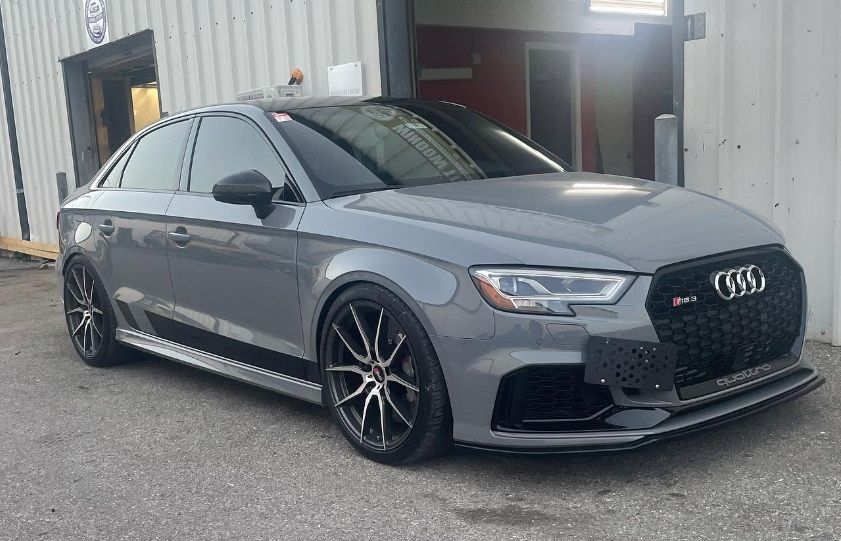
One of the most common beliefs we hear from drivers across the Cayman Islands is that a ceramic coated vehicle barely needs washing. While a coating makes cleaning far easier, it does not remove the need for regular care. Knowing how to wash a ceramic coated car the right way is what keeps the finish glossy, the water beading strong, and the coating performing for years. At Cayman Window Tinting, we hand-apply ceramic coatings in our detailing studio, and we want every customer to protect that investment long after the vehicle leaves our shop. In this guide, we walk through the products we recommend, our step-by-step washing process, how often to wash in our climate, the mistakes to avoid, and how to maintain hydrophobic performance over time.
Why Ceramic Coated Cars Still Need Regular Washing
Before we get into products and techniques, it helps to understand why washing matters so much on a coated vehicle. This is one of the biggest misconceptions we address with our customers.
A ceramic coating makes it more difficult for water and grime to stick to the surface, but it does not make a vehicle completely maintenance-free. Here in the Cayman Islands, cars face salt air, beach sand, road dust, bird droppings, tree sap, and strong sun almost every day. When these contaminants sit on the surface for too long, they can dull the finish and weaken the water beading effect. Our premium ceramic coatings are designed to last between 5 and 7 years, but that lifespan depends on proper and regular maintenance. Washing is the foundation of that care, and a consistent routine keeps the surface clean enough for the coating to do its job every day on Cayman roads.
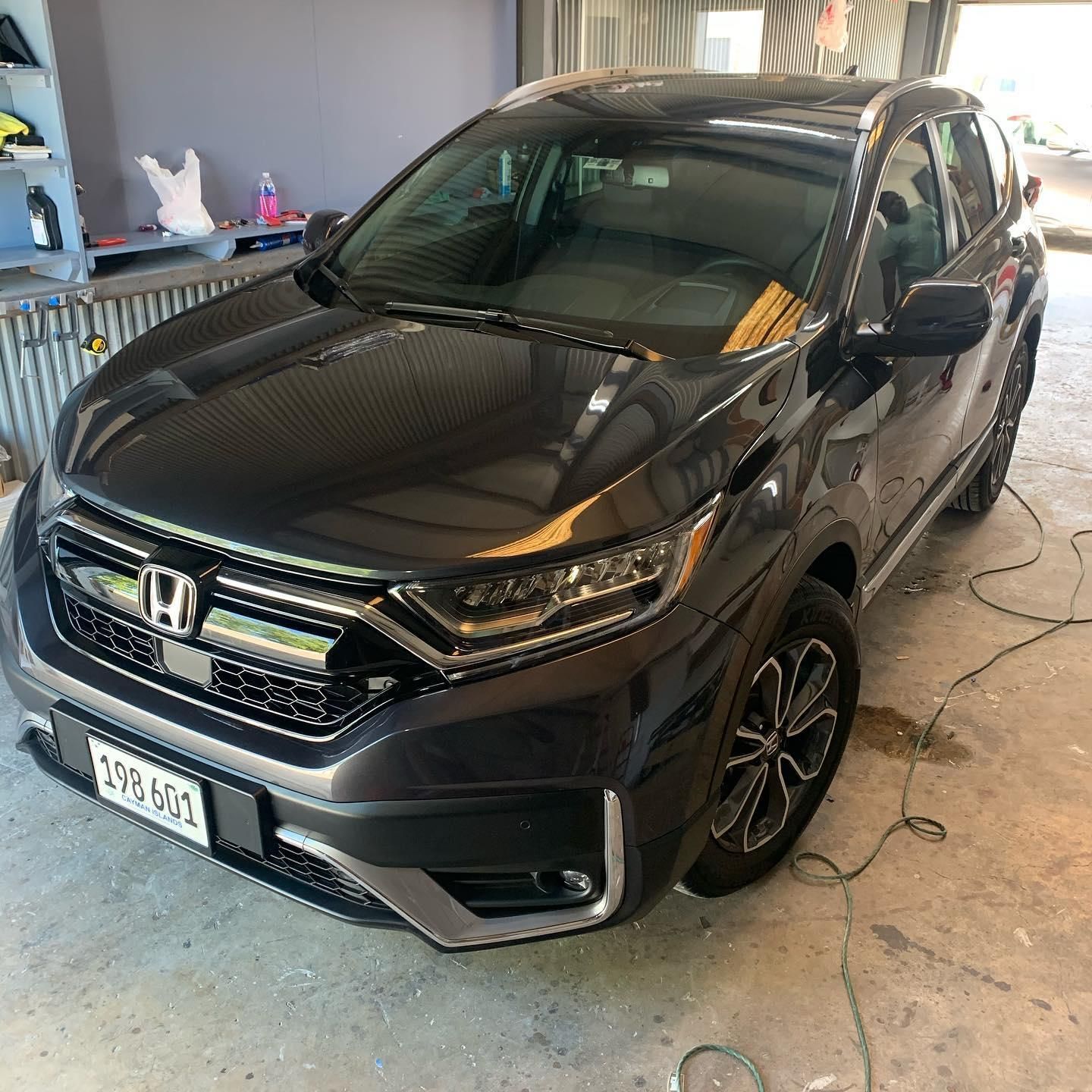
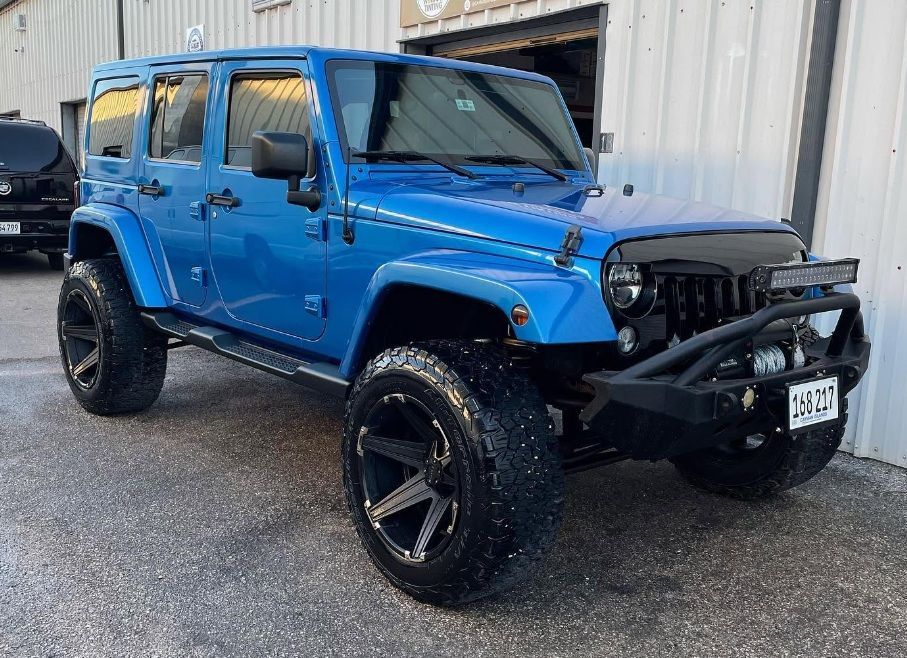
Choosing the Right Products for a Ceramic Coated Finish
The products used during a wash have a direct effect on how well a coating performs. The right choices clean gently, while the wrong ones can leave residue or wear the coating down faster.
We recommend a pH-neutral car shampoo without added waxes or heavy gloss enhancers, since these additives can sit on top of the coating and hide its natural water-repelling behavior. Soft microfiber wash mitts are a must, along with two buckets fitted with grit guards to keep dirt trapped at the bottom. Plush microfiber drying towels and a wheel cleaner that is safe for coated surfaces complete the kit. Together, these products remove dirt without placing unnecessary stress on the finish.
Products We Recommend Avoiding
Just as important as choosing the right products is knowing which ones to keep away from a coated vehicle.
Dish soap and harsh degreasers can strip away protective layers and leave the surface looking flat. Strong acidic or alkaline cleaners can weaken the coating over time, while abrasive polishes are meant for paint correction rather than routine washing. We also advise against cheap sponges and stiff brushes, which can trap grit and drag it across the paint. Keeping these items out of the wash routine helps preserve both gloss and hydrophobic performance.
How to Wash a Ceramic Coated Car Step by Step
This is the heart of the guide. The process below reflects the same two-bucket hand wash method we use during our own exterior detailing, adapted for routine maintenance.
Start in the Shade With a Cool Surface
Where and when the wash happens matters before any water touches the paint.
We always recommend washing out of direct sunlight and waiting until the panels feel cool to the touch. Under the strong Cayman sun, soap and water can dry on the surface within minutes, leaving water spots and residue that dull the coating.
Rinse Thoroughly Before Touching the Paint
A proper rinse is the first line of defense against grit.
A full pre-rinse, or a foam pre-wash where available, loosens sand and dust so it runs off rather than being dragged across the surface by a wash mitt. When using a pressure washer, we suggest keeping the nozzle at a safe distance from the paint and avoiding narrow, high-pressure spray patterns.
Use the Two-Bucket Method From Top to Bottom
This step is where most of the cleaning happens, and technique makes all the difference.
One bucket holds the soapy water, and the other holds clean rinse water. After each panel, the mitt goes into the rinse bucket first to release dirt before returning to the soap. We work in straight lines, one panel at a time, starting with the roof and moving down toward the dirtier lower sections of the vehicle.
Clean Wheels and Lower Panels Last
The lowest parts of a vehicle collect the heaviest grime, so we save them for the end.
Wheels carry brake dust and road buildup that should never reach the paint. We use a separate mitt or brush for wheels and tires, along with a coating-safe wheel cleaner, to prevent cross-contamination.
Final Rinse and Safe Drying
The final stage is where the coating shows its strength.
During the last rinse, the coating's hydrophobic properties help water sheet and bead off the surface. We then dry with clean microfiber towels using light pressure, or with an air blower, to protect the finish and prevent water spots.
How Often to Wash a Coated Car in the Cayman Islands
Part of knowing how to wash a ceramic coated car is knowing how often to do it. Washing frequency depends heavily on climate and driving habits, and our island environment brings its own challenges.
For most daily drivers, we recommend washing every one to two weeks. Vehicles that spend time near the beach, travel coastal roads, or sit in salt spray may need attention sooner, since salt and sand build up quickly. Rain is another factor worth noting, as water that dries on the surface can leave mineral spots behind. We also suggest removing bird droppings and tree sap as soon as they appear rather than waiting for the next full wash. Quick action keeps these contaminants from bonding to the surface and helps the coating hold its gloss between regular washes.
Common Washing Mistakes That Can Shorten Coating Life
Even with the right products, a few small habits can wear down a coating faster than expected. These are the mistakes we see most often.
Automatic car washes with brushes are one of the biggest concerns, as the brushes hold grit from previous vehicles. Washing in direct sun, scrubbing in circular motions, and reusing a mitt that has fallen on the ground can all dull the finish over time. Household cleaners and letting contaminants sit for days are also common problems. A ceramic coating adds a strong layer of defense, but it is not immune to careless washing. For drivers who want added protection against stone chips and road debris, we also offer Paint Protection Film for high-impact areas.
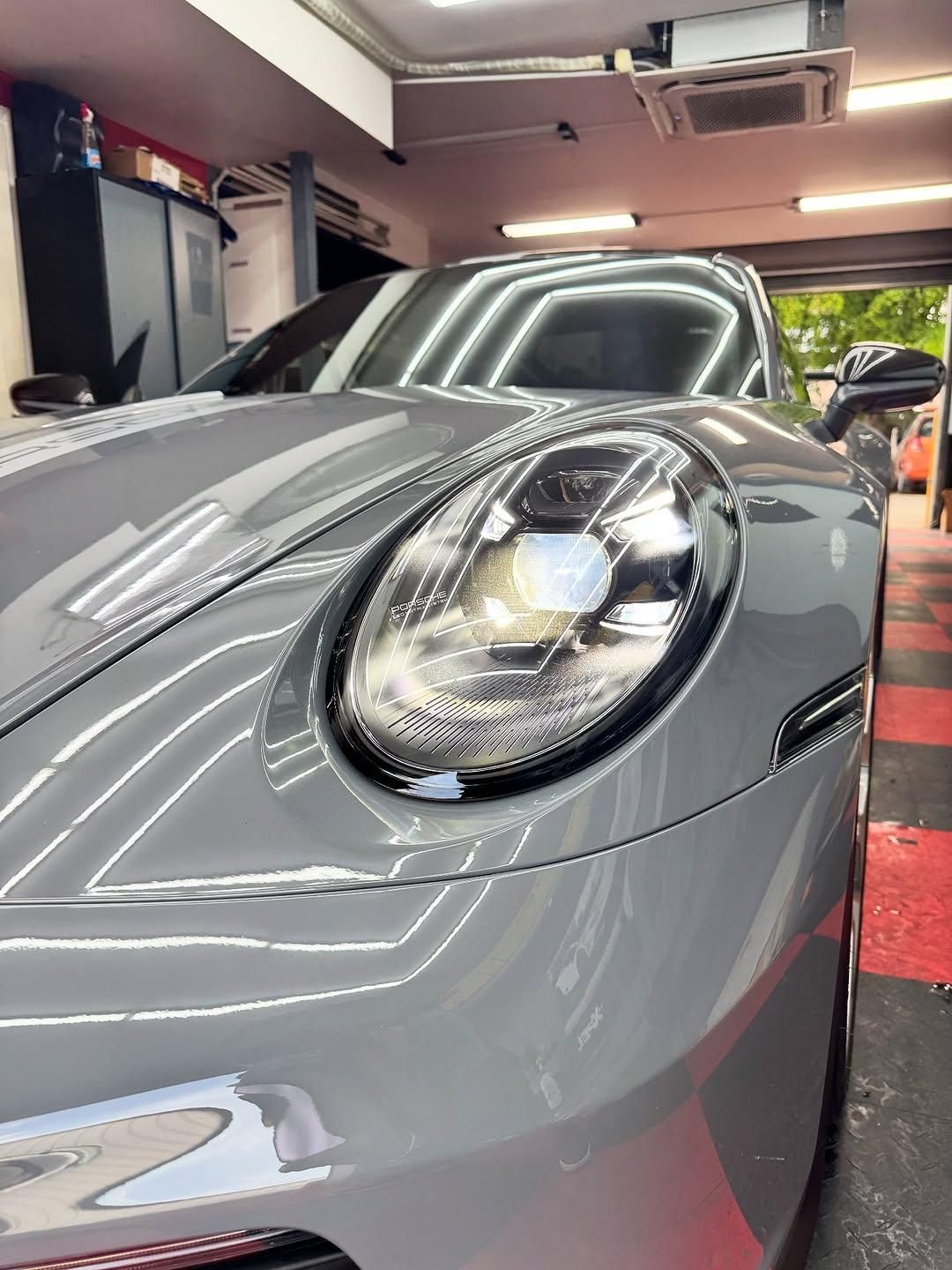
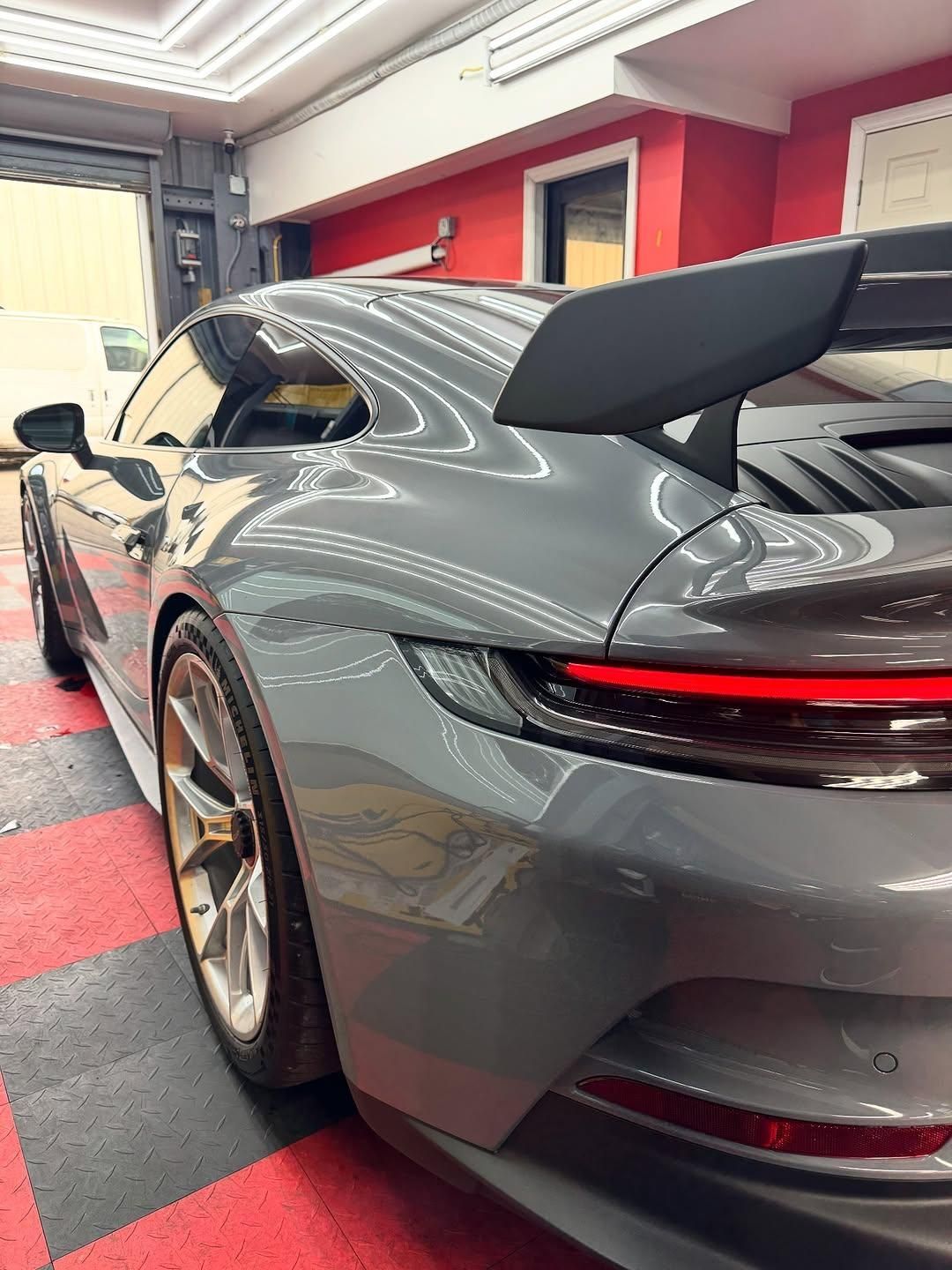
Maintaining Hydrophobic Performance Over Time
Regular washing keeps a coating clean, but long-term performance also depends on paying attention to how the surface behaves over the years.
Reduced water beading or a flat, dull appearance usually means bonded contamination is sitting on top of the coating. A periodic decontamination wash, similar to the clay bar decontamination we use in our own detailing process, helps restore that slick, water-repelling feel. Even the longest lasting coatings may need a topper or reapplication depending on what they are exposed to. Our team is always available to assess a coated vehicle and recommend the right next step, whether that involves maintenance or one of our 3-year or 5-year ceramic coating packages.
Keep Every Coated Finish Performing With Cayman Window Tinting
A consistent wash routine is the simplest way to protect a ceramic coating investment.
Learning how to wash a ceramic coated car with the right products, the two-bucket method, and regular care keeps the gloss deep and the water beading strong for years. At Cayman Window Tinting, we hand-apply every coating in our temperature-regulated detailing studio and share expert advice on long-term care.
Contact us today
for a free price estimate on ceramic coating, or call (345) 939-7343 to speak with our team.
Cayman Window Tinting