On a bright afternoon in the Cayman Islands, a driver puts on polarized sunglasses, glances at the side window, and notices faint colorful blotches, streaks, or rows of dots across the glass. Many of our customers ask us about rainbow patterns through tinted car windows, and they often worry that something went wrong with their film. At Cayman Window Tinting, we want to put that concern to rest. In most cases, these colors are an optical effect rather than damage or a poor installation. In this guide, we explain the three main reasons behind them: light interference, polarized lenses, and the way window film interacts with tempered glass. We also share how we help drivers keep their view clear and comfortable.
What Rainbow Patterns Through Tinted Car Windows Actually Look Like
Before we explain the science, it helps to describe what drivers are actually seeing. The effect differs from one vehicle to the next, and knowing its common forms makes it easier to separate a harmless optical effect from a real problem.
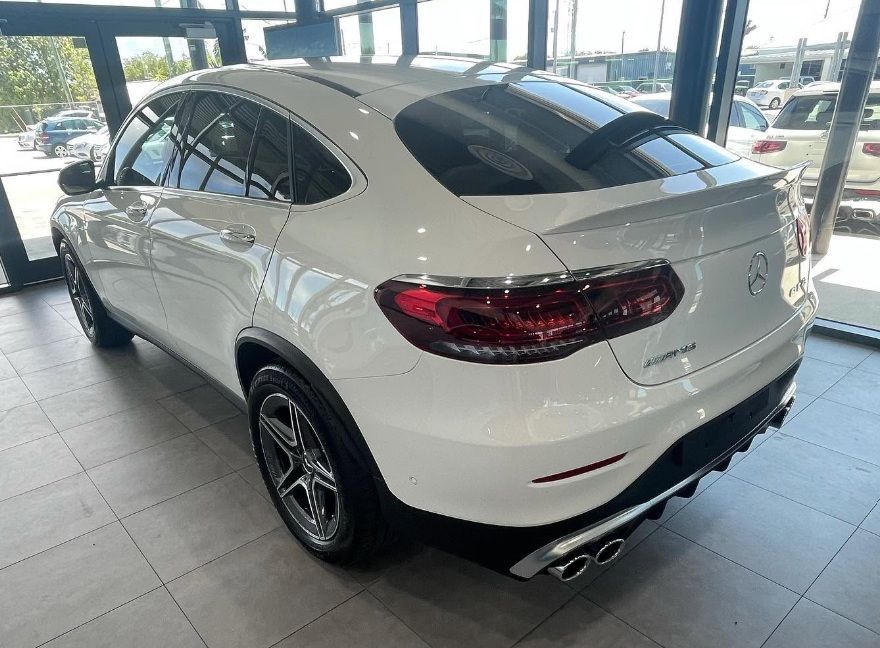
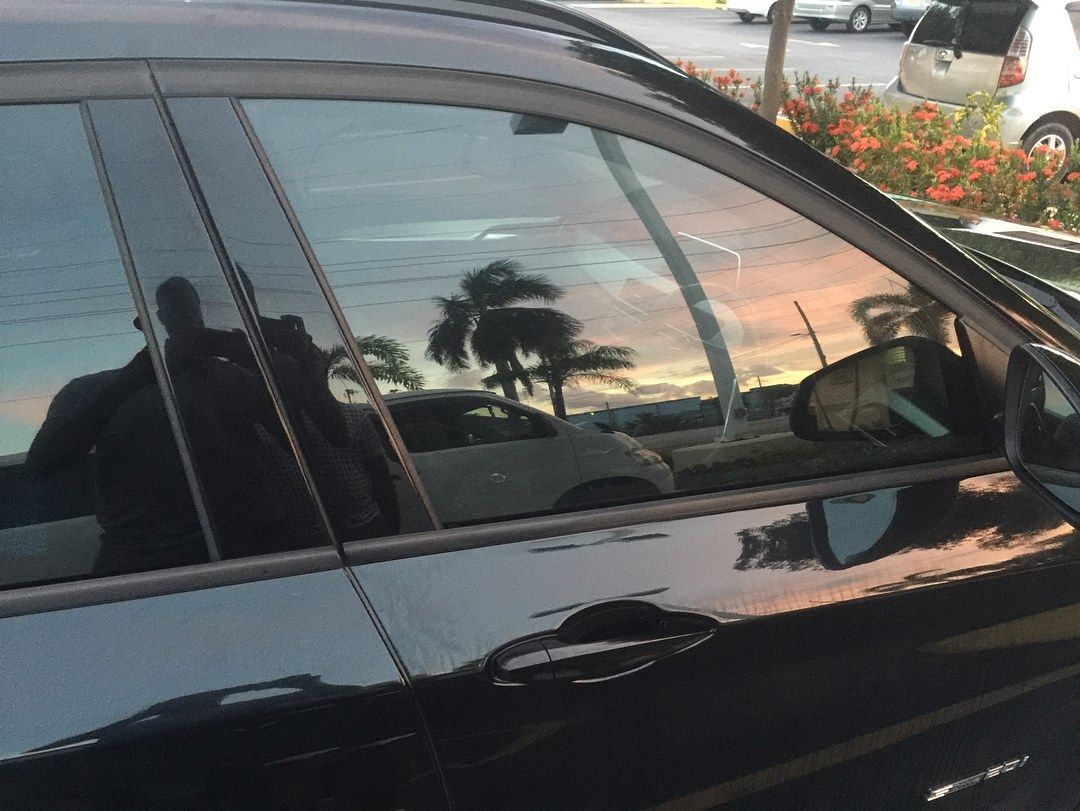
Some drivers notice a soft rainbow sheen that moves as they turn their head. Others see a grid of darker spots, often called leopard spots, or wavy bands running across the side and rear glass. These patterns stand out most in direct sunlight, during early morning or late afternoon, and especially when polarized sunglasses are involved. We also find that customers notice them more after
car window tinting. Darker glass increases contrast, which makes patterns already present in the glass easier to see.
The Science Behind the Colors: Light Interference
The first reason rainbow patterns appear comes down to how light behaves when it meets more than one surface. This process is called light interference, and it is the same effect that creates color on a soap bubble or a thin layer of oil on water.
When sunlight passes through a tinted window, it meets the outer glass, the adhesive layer, and the film itself. At each boundary, part of the light reflects back while the rest continues through. These reflected light waves overlap, and where they line up, certain colors grow stronger. Where they fall out of step, other colors fade. The result is a shimmering band of color that changes with viewing angle.
Why Multi-Layer and Metallized Films Can Show It More
Not every film produces the same amount of interference, and the construction of the film plays a large role in what drivers see.
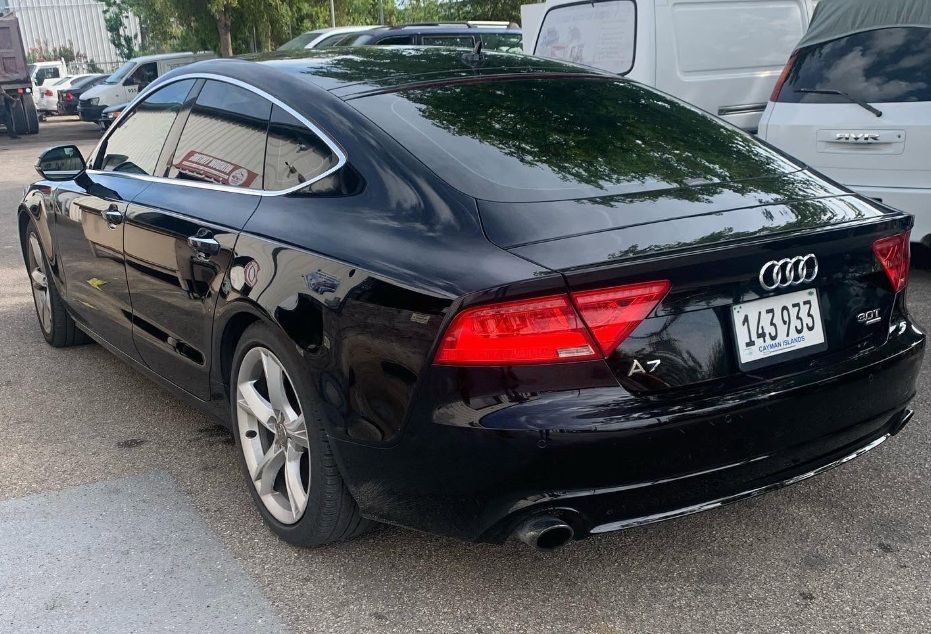
Films built from several thin layers, or those with metallic coatings, create more reflective boundaries. More boundaries mean more chances for light waves to overlap and produce visible color. This is one reason we recommend ceramic window tint for our automotive customers. Ceramic films reject infrared heat and block UV rays without relying on heavy darkness, and they maintain clear visibility for everyday driving.
How Tempered Glass Creates Hidden Stress Patterns
The second major factor sits inside the glass itself. Most side and rear car windows are made from tempered glass, and the way this glass is produced leaves behind patterns that are normally invisible.
During manufacturing, tempered glass is heated and then cooled rapidly with jets of air. This process makes the glass stronger and safer, but the cooling is never perfectly even. Areas directly under each air nozzle cool slightly faster than the areas around them, which locks uneven stress into the glass. That stress often forms a regular grid or series of spots matching the layout of the nozzles.
These stress zones bend light in slightly different directions, an effect known as birefringence. Under normal viewing conditions, the eye cannot pick it up. When polarized light passes through, however, the stressed areas show up as colored patches or dark spots.
Why the Windshield Usually Looks Different
Many drivers notice that the patterns appear on the side and rear glass but rarely on the front.
That difference comes from construction. Windshields are made from laminated glass, which is built in layers rather than tempered with air jets, so it typically does not carry the same stress pattern. The key point we share with our customers is simple: the pattern exists in the glass from the factory. Window tint does not create it, although darker film can make it more noticeable.
The Role of Polarized Sunglasses and Sky Light
The third piece of the puzzle is polarized light. Without it, most stress patterns in tempered glass would stay hidden, which is why sunglasses play such a big role in this topic.
Polarized lenses filter light traveling in one orientation. That filtering is excellent for cutting glare, but it also reveals the stress zones in tempered glass that the naked eye misses. Light reflected from the sky, the road, and the sea is already partially polarized, so the patterns can appear at certain angles even without sunglasses.
Here in the Cayman Islands, polarized sunglasses are part of daily life for driving and time on the water, so our customers encounter this effect often. A quick check helps: tilting the head or removing the sunglasses usually makes the pattern shift or fade. The same effect appears on boat windows, which is why we bring the same care to our marine window tint as we do to our automotive work.
How Window Film Interacts With Tempered Glass
With interference and polarized light covered, it becomes easier to see how window film fits into the picture. The film does not cause the stress pattern, but it does change how visible that pattern becomes.
Window film adds another layer that light must pass through and reflect from, which can intensify the colors already coming from the stressed areas of tempered glass. Some film materials also have a slight light-bending quality of their own that combines with the glass pattern.
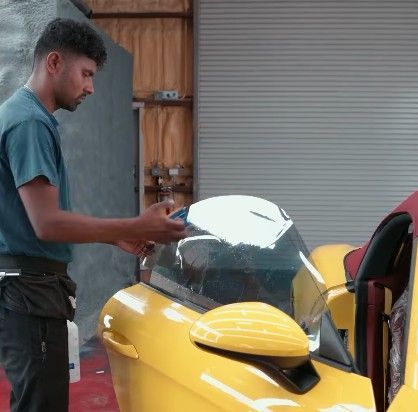
Installation quality matters here as well. Poor surface preparation, leftover residue, or trapped moisture can add distortion that makes rainbow patterns more obvious. As XPEL-certified installers, we follow strict manufacturer standards for handling, cutting, application, and curing. We also remind customers that newly installed film can look slightly hazy during the curing period, which is a separate and temporary effect.
When Rainbow Patterns Are Normal, and When to Get Them Checked
Most rainbow patterns are harmless, but it is still important to know which signs point to a real problem. We encourage drivers to look at how the pattern behaves rather than simply whether it is there.
Patterns that shift with viewing angle, appear mainly through polarized lenses, and look similar across matching windows are normal. Signs that deserve a closer look include bubbling, peeling, cloudy patches that stay in place, discoloration, or any distortion that affects clear visibility while driving.
Coastal conditions add another consideration. Salt air, high humidity, and constant UV exposure can break down low-quality films and adhesives over time. When we inspect a vehicle, we determine whether the issue is an optical effect in the glass or a film that has started to fail.
How We Help Minimize Rainbow Effects on Car Windows
No one can remove the stress built into tempered glass, but the right film and installation approach keeps rainbow patterns through tinted car windows from becoming a distraction. This is where our experience with Cayman conditions makes a difference.
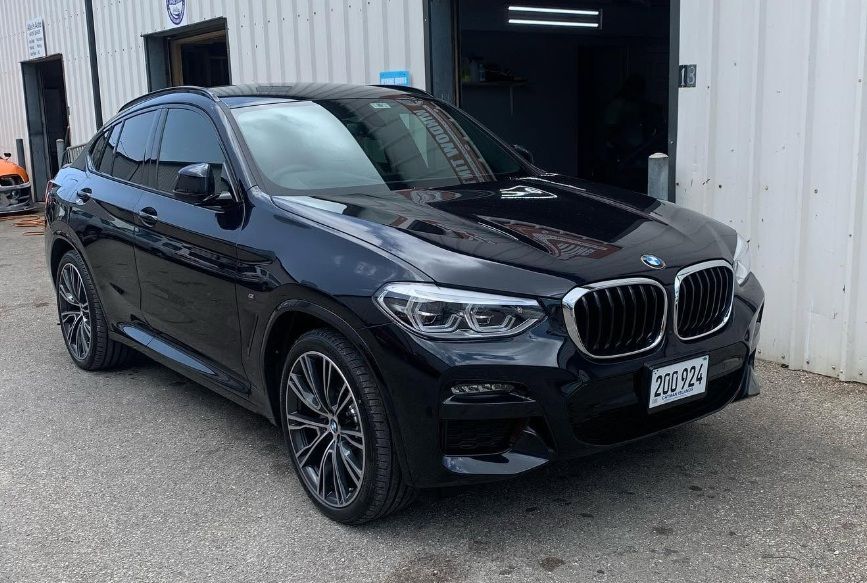
We recommend high-clarity ceramic window tint for drivers who want strong heat rejection without heavy visual distortion. Premium films, when professionally installed, are engineered to resist fading, bubbling, peeling, and discoloration caused by sun and moisture. Our careful surface preparation and correct curing methods help reduce added distortion from the installation itself. For drivers who find the effect distracting, non-polarized sunglasses can also help while driving. Our goal is to deliver clear, comfortable glass that performs in tropical heat.
Get Clear, High-Performance Tint From Cayman Window Tinting
Understanding the cause of these colors makes it easier to enjoy tinted glass with confidence.
Rainbow patterns through tinted car windows usually come from light interference, polarized light, and stress built into tempered glass during manufacturing, and in most cases they are completely harmless. If the patterns on a vehicle raise questions, or if a driver is ready for high-clarity XPEL film, our team is here to help. We offer free consultations for vehicles and boats across the Cayman Islands.
Contact us today or call (345) 939-7343 to get started.
Cayman Window Tinting