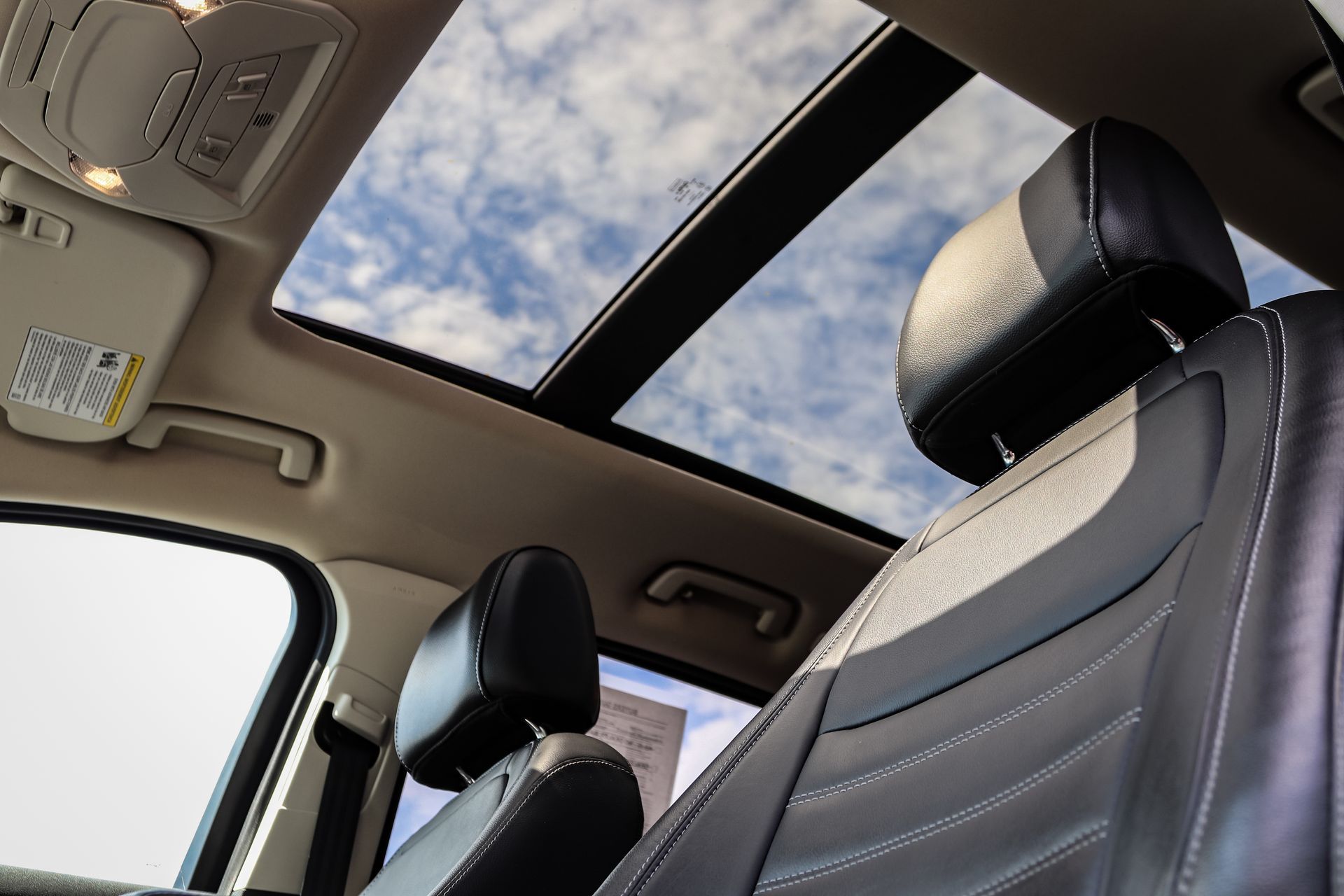
Noticing an edge of paint protection film beginning to curl or separate from a vehicle’s paint can be frustrating, especially after investing in protection for the finish. Paint protection film edges may lift because of poor surface preparation, trapped contamination, excessive stretching, incorrect edge placement, premature washing, or installation errors.
Understanding these causes helps Cayman Islands vehicle owners recognize early warning signs and see why professional installation matters.
At Cayman Window Tinting, surface preparation and precise edge work are important parts of the professional paint protection film installation process.
Poor Surface Preparation Before Installation
The condition of the paint before installation plays a major role in adhesion. Paint protection film uses a pressure-sensitive adhesive that must make direct contact with a clean surface. Wax, polish, oil, sealant, silicone residue, or other contaminants can prevent an even bond.
Residual Products on the Paint
Even a thin layer of wax, polish, or detailing residue may reduce adhesive contact, especially around panel borders, corners, and curves. These areas receive more washing, handling, and road exposure, so lifting often begins there.
A panel can look clean while still carrying residue that is difficult to see. Professional preparation therefore involves thorough cleaning, decontamination, drying, and inspection before the film is positioned.
Dirt and Debris Trapped Near the Edges
Small particles of dirt, dust, lint, or debris can stop the film from sitting flat against the paint. When contamination becomes trapped near an edge, it creates a tiny gap where the adhesive cannot make full contact.
Washing, drying, and regular handling can gradually place more strain on that weak point. What starts as a small raised area may eventually become a visible lifted edge. Clean tools and close attention to panel borders help reduce this risk.
Excessive Stretching During Installation
Paint protection film must conform to curved and complex panels, but stretching it too aggressively can create tension that continues pulling against the adhesive.
Bumpers, mirrors, rocker panels, and fenders require particularly careful positioning. If the film is stretched tightly around a curve, it may try to return to its original shape and place pressure on the nearest edge.
A trained installer distributes tension across the panel, helping the film conform without unnecessary stress along its borders.
Incorrect Edge Placement or Trimming
Not every paint protection film edge is finished in the same way. Depending on the panel, installation pattern, and coverage package, an edge may be wrapped, tucked, trimmed, or intentionally positioned slightly away from the panel end.
Some edges can be wrapped, while others need a visible trimmed border to avoid interfering with trim, badges, sensors, or panel movement.
Uneven trimming, incorrect placement, or forcing film into an unsuitable area can increase the risk of lifting. Professional installers evaluate each panel and select an edge-finishing method that fits its shape and construction.
Installation Solution Left Near the Edges
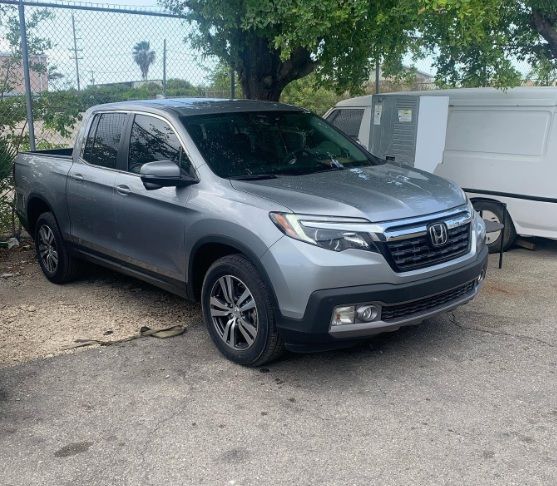
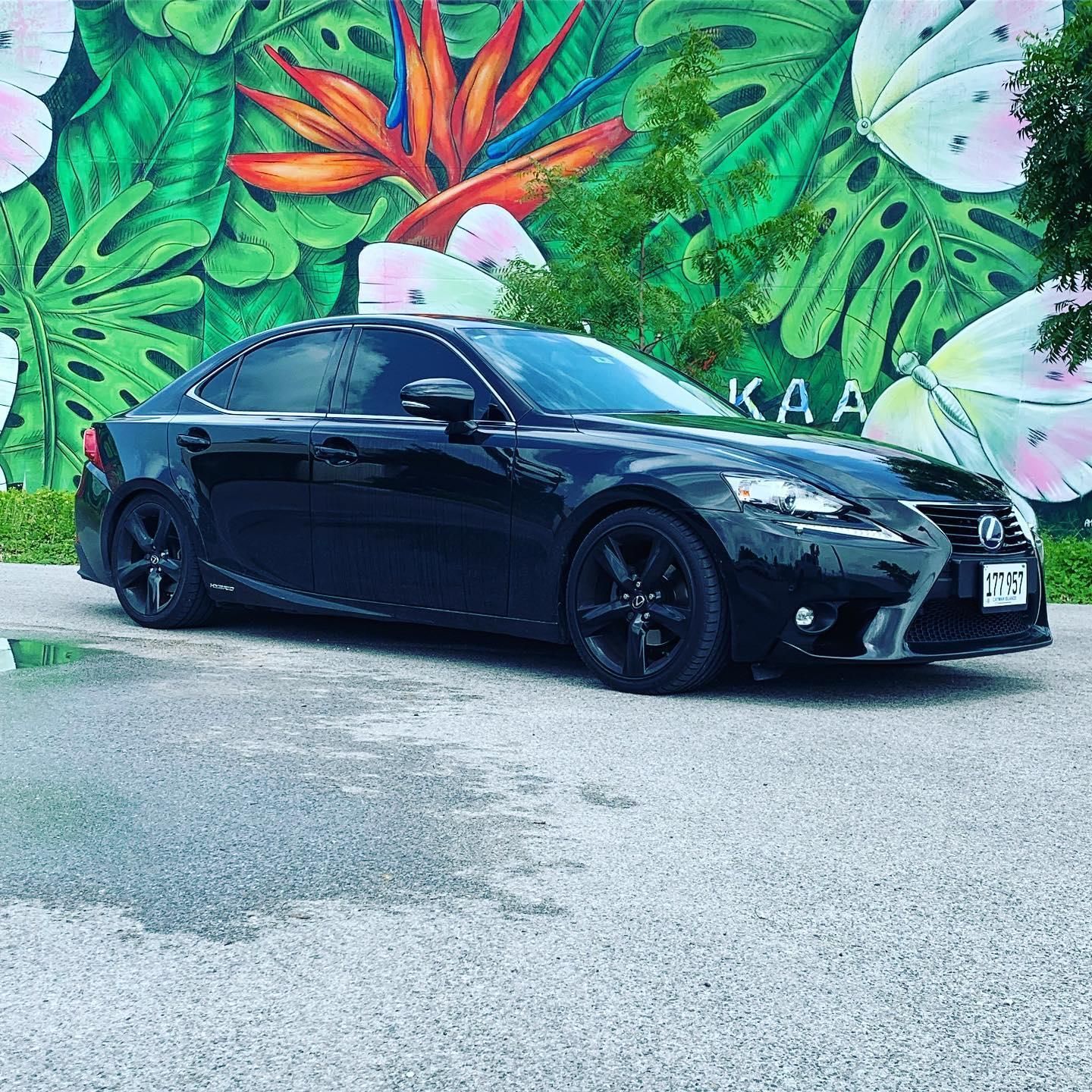
Paint protection film is often applied with a controlled installation solution that allows it to be positioned before the adhesive fully contacts the paint. If too much solution remains near an edge, adhesion may develop slowly or remain inconsistent.
The installer must remove excess solution carefully, especially around corners, seams, and panel borders where moisture can collect. Small moisture pockets may appear during the initial curing period and can resolve as the liquid evaporates.
However, an edge that stays unsecured or contains contamination should be inspected professionally. Vehicle owners should not puncture, trim, lift, or repeatedly press the film themselves.
Film Quality and Adhesive Performance
Film quality and condition can also affect edge performance. Automotive paint protection film is designed to conform to painted panels while maintaining clarity and durability.
Low-quality, damaged, unsuitable, or improperly stored material may be harder to install consistently. Even premium film can develop problems when it is handled incorrectly or applied to a poorly prepared surface.
Quality material must therefore be combined with correct preparation, professional installation, and appropriate aftercare.
Washing Before the Film Has Cured
Adhesion continues to develop after installation, so the film needs time to settle and establish stronger contact with the paint. Washing too soon may place unnecessary pressure on edges that have not fully cured.
Vehicle owners should follow the curing and washing instructions provided by their installer. The waiting period can vary according to the film product and installation conditions.
During this period, pressurized water, automatic brushes, aggressive drying, and unnecessary handling should be avoided around the edges.
Pressure Washing and Automatic Car Washes
Cleaning methods can affect film edges even after curing. High-pressure water directed closely against a border may force moisture beneath an area that is already loose.
Automatic car wash brushes may also catch exposed edges or repeatedly drag across vulnerable sections.
Gentle hand washing or a suitable touchless wash can reduce unnecessary strain. When using a pressure washer, keep the nozzle at a safe distance and never aim it directly into the film’s edges.
Drying towels should move carefully across the panel rather than being pulled aggressively against a border. Proper washing cannot correct an installation problem, but it can prevent added stress.
Cayman Islands Weather Conditions
Grand Cayman’s warm temperatures, rain, humidity, and strong sunlight make professional preparation and aftercare especially important. These conditions should not normally cause a correctly installed edge to fail on its own, but they may make an existing weak point more noticeable.
If an edge has already separated because of contamination, tension, or poor placement, repeated water exposure may allow moisture to enter beneath it. Dirt and cleaning products can then collect under the film, making the area more difficult to reseal.
Having a minor edge concern inspected early may prevent it from spreading.
Everyday Handling and Contact
Repeated contact can affect vulnerable edges while drying the vehicle, cleaning around badges, loading items near rocker panels, or brushing against lower body areas.
A correctly installed edge should tolerate normal use, but aggressive contact can worsen a section that is already compromised. Vehicle owners should avoid picking at visible borders or cutting away loose material because pulling a small section may enlarge the affected area.

Why Professional Installation Reduces Lifting
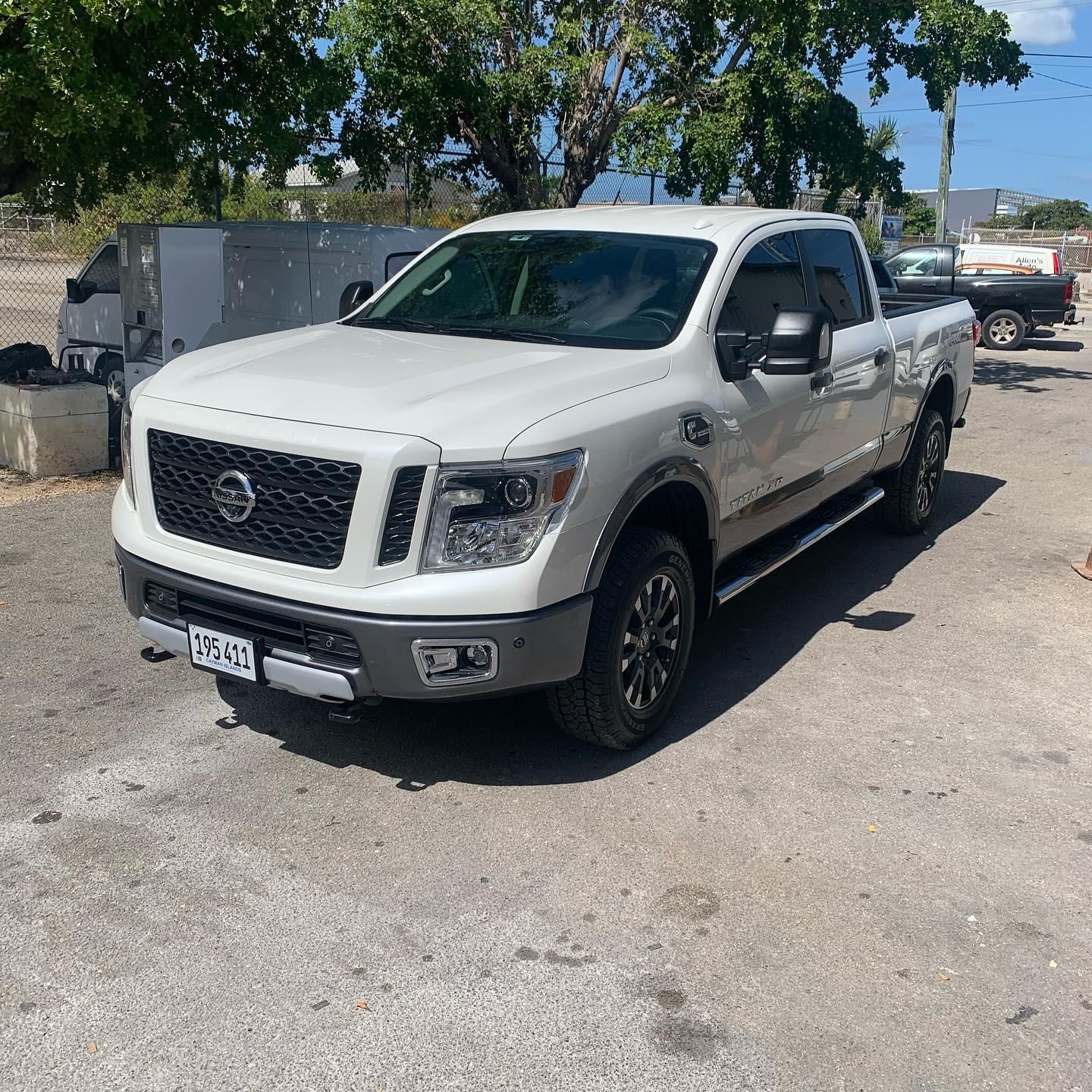
Paint protection film installation requires careful surface preparation, clean working conditions, controlled material handling, precise positioning, and detailed finishing.
An experienced installer considers panel shape, film tension, edge position, and the amount of solution remaining beneath the material. Cayman Window Tinting focuses on thorough preparation, accurate placement, appropriate edge finishing, and final inspection.
Corners, curves, seams, and borders can be checked before the vehicle is returned, while aftercare guidance explains washing and maintenance.
What to Do If a PPF Edge Starts Lifting
Do not pull, cut, or repeatedly press a lifted edge. Touching the adhesive can introduce oils, dirt, and contamination that make professional correction more difficult.
The right solution depends on the size, location, condition, and cause of the affected area. A minor lift may be repairable, while contaminated, stretched, or damaged film may require replacement on that panel.
Prompt inspection can help prevent the lifting from spreading.
Final Thoughts
Paint protection film edges may lift because of poor surface preparation, trapped debris, excessive stretching, incorrect edge placement, incomplete solution removal, unsuitable film, premature washing, or aggressive cleaning.
Environmental conditions may worsen an existing weakness, but correctly installed film should be prepared for normal Cayman Islands weather and everyday vehicle use.
If you notice an edge beginning to lift, avoid pulling or trimming it yourself. Contact Cayman Window Tinting to have the area inspected or
schedule a consultation
for professional paint protection film installation.
Cayman Window Tinting